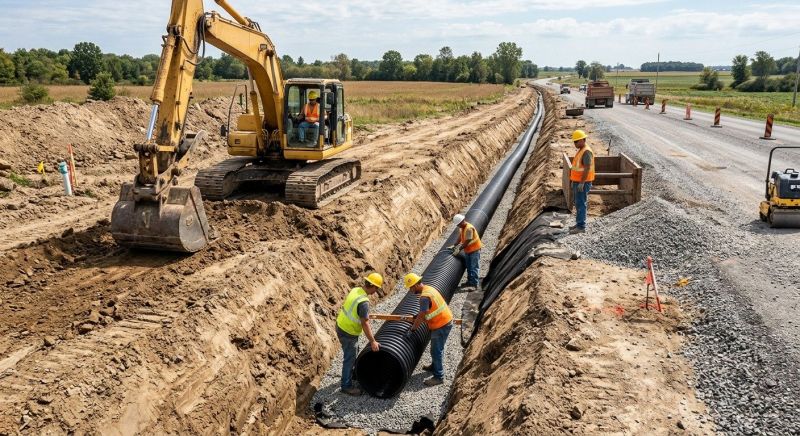
Drain Trenching in Atlanta, GA
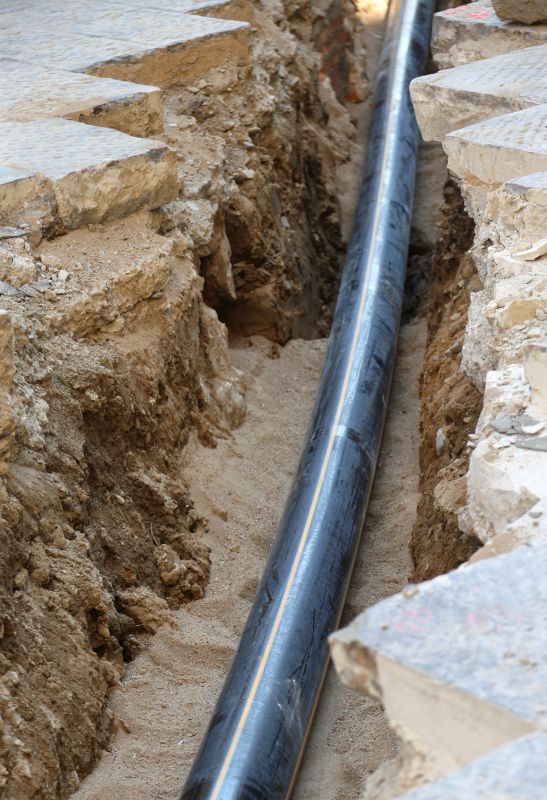
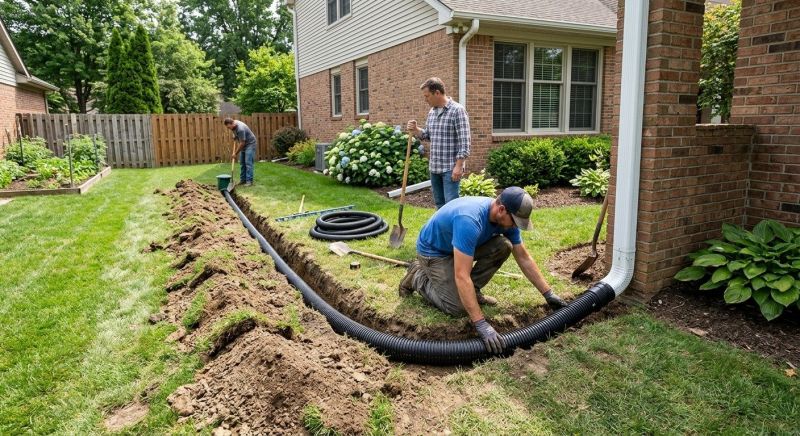
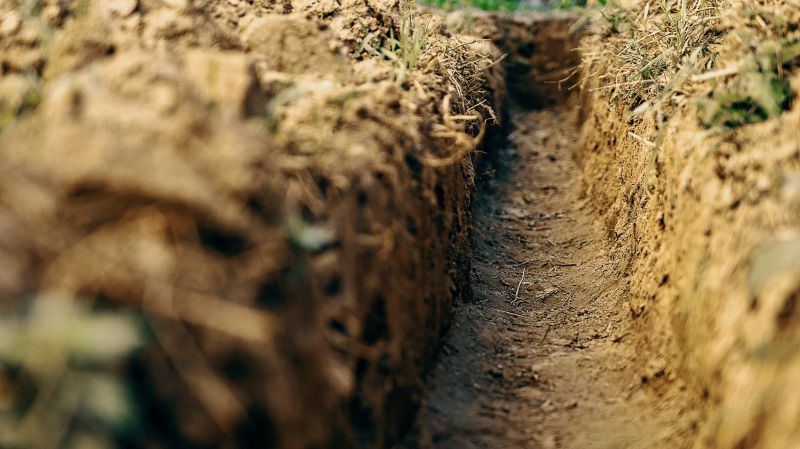
Drain trenching services involve excavating narrow, deep channels in the ground to install or repair underground drainage systems. This process is commonly used for projects such as installing new drain pipes, improving yard drainage, redirecting water flow away from foundations, or repairing existing drainage lines. Property owners typically want to understand the scope of trenching, including how it can help prevent water pooling, reduce erosion, and protect landscaping or structures from water damage.
Before requesting drain trenching, property owners should consider the location and purpose of the drainage system, as well as any underground utilities or obstacles that may affect excavation. It’s also helpful to understand the extent of the trenching needed, the potential impact on landscaping, and any permits required for the work. Clarifying these details can help ensure the project meets the specific drainage needs of the property.
Many property owners in Atlanta, GA look into Drain Trenching for repairs, replacements, upgrades, and appearance-related improvements.
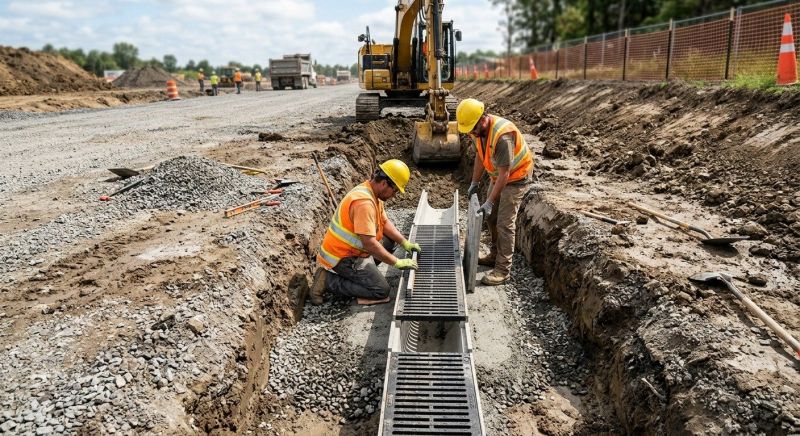
Drain Trenching For New Installations
Proper trenching ensures effective drainage for new plumbing and irrigation systems.
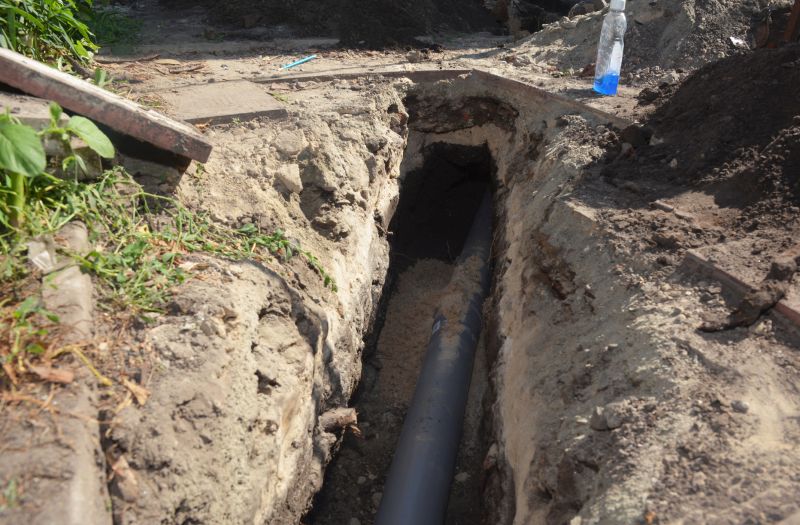
Repair And Replacement Services
Drain trenching can be essential for fixing damaged pipes and upgrading existing drainage infrastructure.
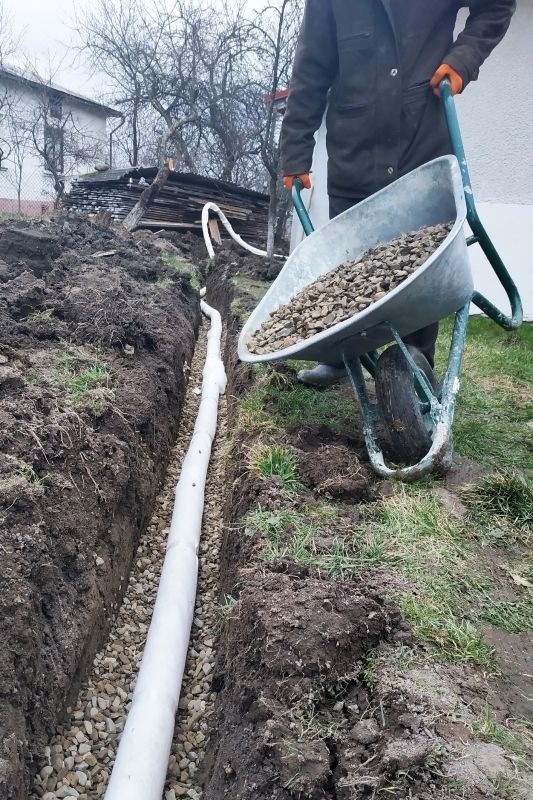
Property Drainage Solutions
Strategic trenching helps manage water flow and prevent flooding around residential and commercial properties in atlanta, ga.
Drain Trenching in Atlanta, GA

Drain trenching services involve excavating narrow, deep channels in the ground to install or repair underground drainage systems. This process is commonly used for projects such as installing new drain pipes, improving yard drainage, redirecting water flow away from foundations, or repairing existing drainage lines. Property owners typically want to understand the scope of trenching, including how it can help prevent water pooling, reduce erosion, and protect landscaping or structures from water damage.
Before requesting drain trenching, property owners should consider the location and purpose of the drainage system, as well as any underground utilities or obstacles that may affect excavation. It’s also helpful to understand the extent of the trenching needed, the potential impact on landscaping, and any permits required for the work. Clarifying these details can help ensure the project meets the specific drainage needs of the property.
Many property owners in Atlanta, GA look into Drain Trenching for repairs, replacements, upgrades, and appearance-related improvements.
Common Drain Trenching Jobs
Drain trenching - creates a shallow or deep channel to redirect water away from foundations.
Foundation drainage - helps prevent water pooling around basement walls and reduces seepage risk.
Yard drainage solutions - improves runoff management to protect landscaping and prevent erosion.
Stormwater management - installs trenches to direct rainwater efficiently during heavy storms.
Sump pump drainage - connects trenches to sump systems for effective water removal from low-lying areas.
Erosion control - uses trenching to stabilize slopes and prevent soil loss on properties.
Drain Trenching Questions
What is drain trenching? Drain trenching involves excavating a narrow trench to install or repair underground drainage systems, helping to redirect water away from properties.
When is drain trenching needed? It is typically used when dealing with poor drainage, basement flooding, or to install new drainage lines for landscaping or construction projects.
How does drain trenching benefit property owners? It helps prevent water accumulation, reduces soil erosion, and protects foundations by improving water management around the property.
What types of projects require drain trenching? Projects such as installing French drains, replacing damaged pipes, or managing surface water runoff often involve drain trenching services.
Request Drain Trenching in Atlanta, GA
Use the quote form on this page to share the basics of your project and request more information for the type of work you need.